In August 2014, the Islamic State of Iraq and Syria (ISIS) unleashed a brutal and systematic campaign of genocide against the Yazidi people in the Sinjar region of northern Iraq. Thousands of Yazidis were executed, whilst women and children were abducted, subjected to horrific sexual slavery, or forced into combat as child soldiers. This targeted violence triggered a mass exodus, leaving hundreds of thousands of Yazidis displaced and seeking refuge in internally displaced persons (IDP) camps across the Kurdistan Region of Iraq (KRI) and in neighbouring countries. More than a decade later, the crisis remains fundamentally unresolved, with approximately 190,000 Yazidis still languishing in these camps.
For Yazidi youth and young adults, the prolonged reality of camp life has precipitated a profound mental health crisis and erected monumental barriers to education. In my own writings and books examining the lived experiences of displaced people, I have frequently sought to highlight how the complex intersection of psychological trauma and educational deprivation shapes the long-term reality of uprooted communities. Yet, as I have witnessed firsthand through my direct teachings to Yazidi refugees, there remains an extraordinary capacity for transformation. Through targeted, trauma-informed interventions, compassionate education, and international resettlement programmes, there is a vital, achievable pathway towards healing, resilience, and post-traumatic growth.
The Mental Health Crisis in Refugee Camps
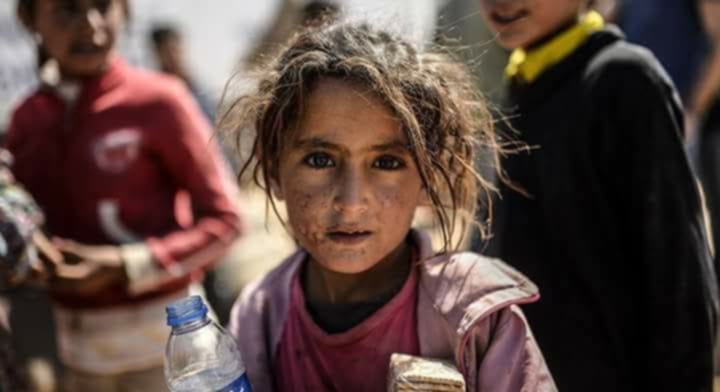
The psychological toll of the genocide and subsequent displacement on Yazidi children and young adults is staggering. Evaluating Yazidi youth in refugee camps reveals alarmingly high prevalence rates of psychiatric disorders, including post-traumatic stress disorder (PTSD), severe depression, and anxiety. In refugee camp settings, studies have shown that over 40% of Yazidi children suffer from PTSD, whilst nearly a third battle depression—symptoms frequently linked to witnessing violent deaths and surviving the utter deprivation of essential human needs during their escape.
For former child soldiers who were abducted and indoctrinated by ISIS, the trauma is particularly acute; these boys were subjected to daily religious indoctrination and martial arts training designed to achieve a dehumanised indifference to pain and terror. Almost half of these young survivors display high rates of PTSD, anxiety, and somatic disturbances, alongside significantly reduced self-esteem. Yazidi girls and women who survived sexual enslavement also face severe psychological burdens, struggling with complex PTSD, feelings of extreme humiliation, and an intense fear of stigmatisation upon returning to their communities.
The living conditions within the IDP camps further exacerbate these mental health challenges. Camps are often overcrowded, plagued by poor hygiene facilities, and subject to extreme weather conditions, all of which threaten both physical and psychological well-being. The protracted nature of their displacement has fostered a pervasive sense of hopelessness, with many young Yazidis believing they will never be able to return to their homeland or see an end to the conflict. This profound despair has contributed to a severe mental health crisis characterised by an alarming number of suicides and suicide attempts among the youth.
For instance, in the town of Sinuni, medical facilities have been overwhelmed by young Yazidis attempting suicide – some as young as 13 – driven by collective trauma, immense poverty, and the loss of family members. The crisis is heavily compounded by a dire shortage of qualified psychiatrists and psychological support services within Iraq to meet these overwhelming needs.
Educational Issues and Barriers
Parallel to the mental health crisis is the severe disruption of education for Yazidi youth. The invasion by ISIS resulted in the intentional destruction of schools and agricultural infrastructure, abruptly halting the academic progression of thousands of children. In the displacement camps, educational offerings are often makeshift, suffering from a lack of qualified teaching staff, inadequate infrastructure, and severe overcrowding. Consequently, an estimated 67% of children in the Sinjar region remain out of school.
Systemic and administrative barriers further obstruct Yazidi young adults from resuming their studies. Iraqi educational policies often prohibit students who have missed multiple years of schooling from re-enrolling in formal public education. Instead, they are required to undertake unsupported “self-study” and pass placement exams located in cities like Mosul. Travelling to Mosul can be highly traumatising for survivors, as it was a major stronghold for ISIS where many Yazidis were held captive. Furthermore, many displaced youths lack the official documentation or transcripts required to register, forcing them into lower grades, which can be deeply demoralising and discouraging.
Economic hardship is another primary deterrent to education. Because many families have lost their primary breadwinners, young Yazidis are frequently forced to abandon their studies to engage in daily labour and financially support their surviving relatives. For young women and girls, cultural and gender-based barriers pose additional hurdles. The journey to school is often unsafe, exposing girls to the risk of sexual harassment. Furthermore, the financial strain of displacement has contributed to early and forced marriages, which typically result in young women dropping out of the educational system entirely.
Consequences and Potential Long-Term Effects
The confluence of untreated mental health disorders and educational deprivation threatens to cast a long shadow over the future of the Yazidi community. Without adequate education, Yazidi youth are locked out of higher education and meaningful employment, perpetuating a cycle of poverty and marginalisation. This lack of socio-economic mobility not only hinders individual prosperity but also stalls the broader reconstruction and stabilisation of the Yazidi community in the Sinjar region.
Psychologically, the long-term effects of living in such precarious environments include the entrenchment of transgenerational trauma. The Yazidis have historically endured numerous persecutions, and the latest genocide has inflicted deep communal wounds that, if left unaddressed, can be passed down to future generations. Youth experiencing high levels of perceived burdensomeness and a thwarted sense of belonging are at a significantly higher risk for chronic mental health issues and suicidality.
Moreover, for former child soldiers and indoctrinated youth, the absence of comprehensive rehabilitation and educational integration increases the dangerous risk of re-radicalisation or re-recruitment by armed groups, as they struggle to find a stable identity and purpose outside of the conflict. In my published works on displacement, I have repeatedly argued that failing to provide robust mental health and educational support means the international community risks abandoning displaced people twice – first to the genocide or war itself, and second to the systemic neglect of their recovery.
Pathways to Healing: International Programmes and Resettlement
Despite these profound challenges, the remarkable resilience of the Yazidi youth offers a powerful foundation for recovery and post-traumatic growth. Post-traumatic growth (PTG) theory suggests that individuals who process highly traumatic events can experience positive psychological transformations, including a greater appreciation for life, enhanced personal strength, and spiritual development. When provided with the right support – a truth I see unfolded every time I teach Yazidi students – these resilient young adults demonstrate an incredible determination to rebuild their lives and their communities.
International non-governmental organisations (NGOs) and local advocacy groups are undertaking critical work to facilitate this healing. Programmes initiated by organisations such as Yazda, Nadia’s Initiative, and the Free Yezidi Foundation have been pivotal in providing informal education, recreational activities, digital literacy, and English language courses to displaced children and women, helping to restore a sense of normalcy and ambition.
By integrating trauma-informed care with educational and vocational training, these initiatives empower Yazidi youth to become leaders, medical professionals, and advocates for their people. For example, through targeted language programmes, young survivors are improving their English skills to pursue medical degrees, returning to serve their communities. Legal frameworks, such as the Yazidi Survivors Law (YSL) passed in Iraq, also aim to provide educational opportunities and psychological rehabilitation centres as a form of critical reparation for survivors.
Furthermore, international refugee resettlement programmes have proven to be a lifeline for the most vulnerable survivors. Countries like Canada have launched specific initiatives to resettle Yazidi women and children, providing them with comprehensive wrap-around services that include language training, specialised psychological care, and community integration support.
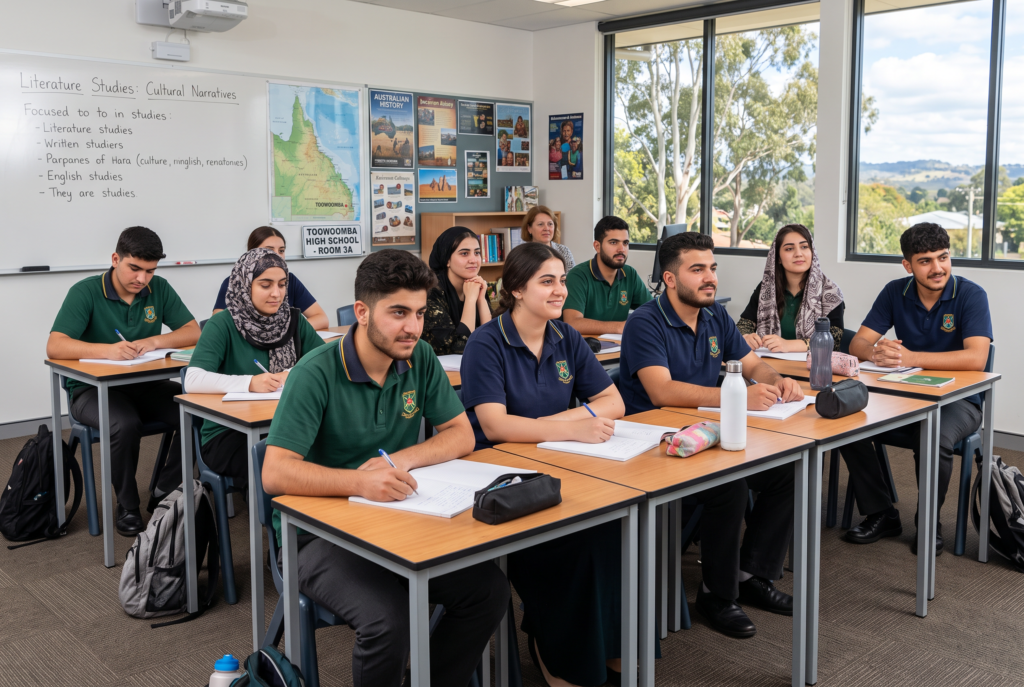
Here in Australia, the regional city of Toowoomba has emerged as a shining example of successful refugee settlement, particularly for the Yazidi community. Toowoomba has welcomed one of the largest Yazidi populations in the country, fostering a supportive environment that prioritises holistic integration. Local settlement agencies in Toowoomba work closely with schools, educators, and mental health professionals to ensure that young Yazidis receive tailored, trauma-informed education and psychological support in a safe, welcoming community.
In my own direct work teaching Yazidi refugees and exploring these displacement dynamics in my writings, I am constantly reminded that education is far more than mere information transfer; it is a vital therapeutic bridge to safety, dignity, and personal agency. By focusing on social cohesion, language acquisition, and empowering the youth with educational opportunities, Toowoomba demonstrates how targeted compassion can successfully break the cycle of displacement and trauma.
Ultimately, the road to recovery for the Yazidi youth is steep, but it is deeply achievable. By coupling dedicated mental health interventions with flexible, inclusive educational pathways, the global community can help transform the narrative of the Yazidi people from one of victimhood to one of profound resilience, resistance, and enduring hope.